Siding Installation & Replacement
Complete exterior tear-off and precision installation of modern, weather-resistant siding systems engineered for dependable long-term home protection.
Overview of Siding Installation & Replacement
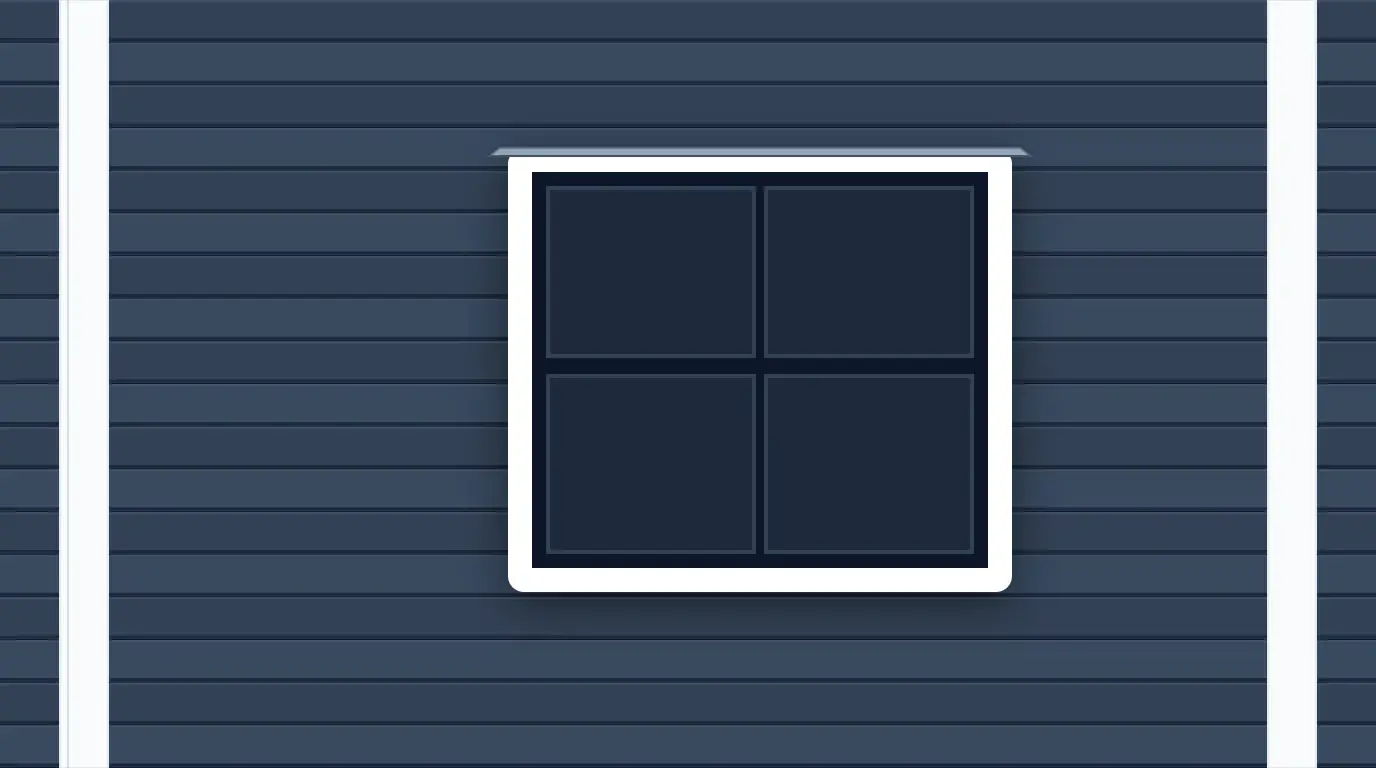
Full siding replacement begins with the systematic removal of compromised exterior materials down to the bare wood substrate. Our skilled carpenters inspect every square foot of oriented strand board or plywood sheathing, cutting out fungal rot and replacing compromised wall studs before hanging a single new panel. We install vapor-permeable drainage housewraps, flash rough window openings with self-adhering butyl membrane, and install heavy-gauge drip caps along all horizontal transitions. Using laser-aligned courses and calibrated pneumatic nailers, installers maintain manufacturer-specified thermal expansion clearances to ensure your home envelope remains leak-free, energy-efficient, and structurally sound for decades.
Complete Substrate Remediation & Moisture Envelope Protection
Hanging new siding over deteriorated wood sheathing simply masks water damage while mold continues spreading into structural framing. Systematic tear-off allows crews to inspect bare OSB decking, replace water-damaged studs, and correct framing deficiencies before adding layers. Installing a vapor-permeable drainage wrap ensures wall cavities breathe naturally while shedding wind-driven rain, providing decades of dependable structural integrity.
Key Installation Standards & Features
- Substrate rot remediation replacing damaged OSB with structural CDX plywood
- Self-adhering butyl membrane flashing around window and door rough openings
- Vapor-permeable weather-resistive housewrap installation with taped seams
- Calibrated pneumatic blind nailing maintaining manufacturer expansion tolerances
Why Choose Our Crews
- ✓ Substrate sheathing rot inspections before installation
- ✓ Vapor-permeable weather barriers and butyl tape flashing
- ✓ Daily magnetic nail sweeps across driveways and lawns
Frequently Asked Questions About Siding Installation & Replacement
Detailed explanations regarding installation steps, material performance, and maintenance requirements.
How long does a complete exterior siding tear-off and replacement take?
Most single-family homes require between four and seven working days. The timeline includes removing existing planks, inspecting and repairing compromised OSB sheathing, wrapping walls with housewrap, and fastening new siding panels.
Should old siding be removed before installing new materials?
Removing existing siding down to the bare framing is strongly recommended. Nailing new panels directly over rotted or warped cladding conceals water damage, traps moisture, and voids manufacturer warranties.
What signs indicate the underlying wood sheathing needs replacement?
Soft spots noticed during removal, discolored black plywood, and rusty framing nails indicate persistent moisture leaks. Installers cut out decayed sections and fit new structural plywood before installing weather barriers.
How do installers protect window and door penetrations from water leaks?
Crews install self-adhering butyl flashing tape in shingle fashion over rough openings. Metal drip caps sit directly above window trims to deflect rainwater away from wall cavities.
Can new siding installation improve indoor heating and cooling efficiency?
Installing continuous rigid foam insulation beneath new siding eliminates thermal bridging across wall studs. This thermal barrier prevents exterior temperature transfer, lowering utility bills year-round.
What type of fasteners are used for long-term siding durability?
Hot-dipped galvanized or stainless steel roofing nails ensure corrosion resistance against moisture and humidity. Fasteners must penetrate solid wood studs by at least one and a quarter inches.
How does improper nail depth affect siding panels?
Over-driven nails pin panels tightly to the wall, causing vinyl or composite materials to buckle and warp as outdoor temperatures change. Nails must leave a dime-thickness gap beneath the head to allow natural thermal expansion.
What preparation should homeowners complete before siding crews arrive?
Homeowners should remove pictures and loose wall hangings from interior walls to protect against hammer vibration. Clearing patio furniture, trimming bushes near walls, and parking vehicles away from driveways ensures a smooth project start.
Ready to Discuss Siding Installation & Replacement?
Contact our team today to evaluate material samples, calculate surface square footage, and schedule an inspection.